Every brand wants to stop the scroll. Very few actually do.
In 2025, Indian social media was noisier than ever, reels refreshed every second, trends changed every week, and every brand was competing for the same shrinking slice of attention. And yet, a handful of campaigns cut through effortlessly. Not because they had the biggest budgets. But because they understood something most brands still get wrong: people don’t share ads, they share feelings, fun, and stories.
Here’s a glance of five Indian campaigns that truly worked in 2025, and what every marketer can learn from them.
1. Lay’s – Messi & Dhoni Together
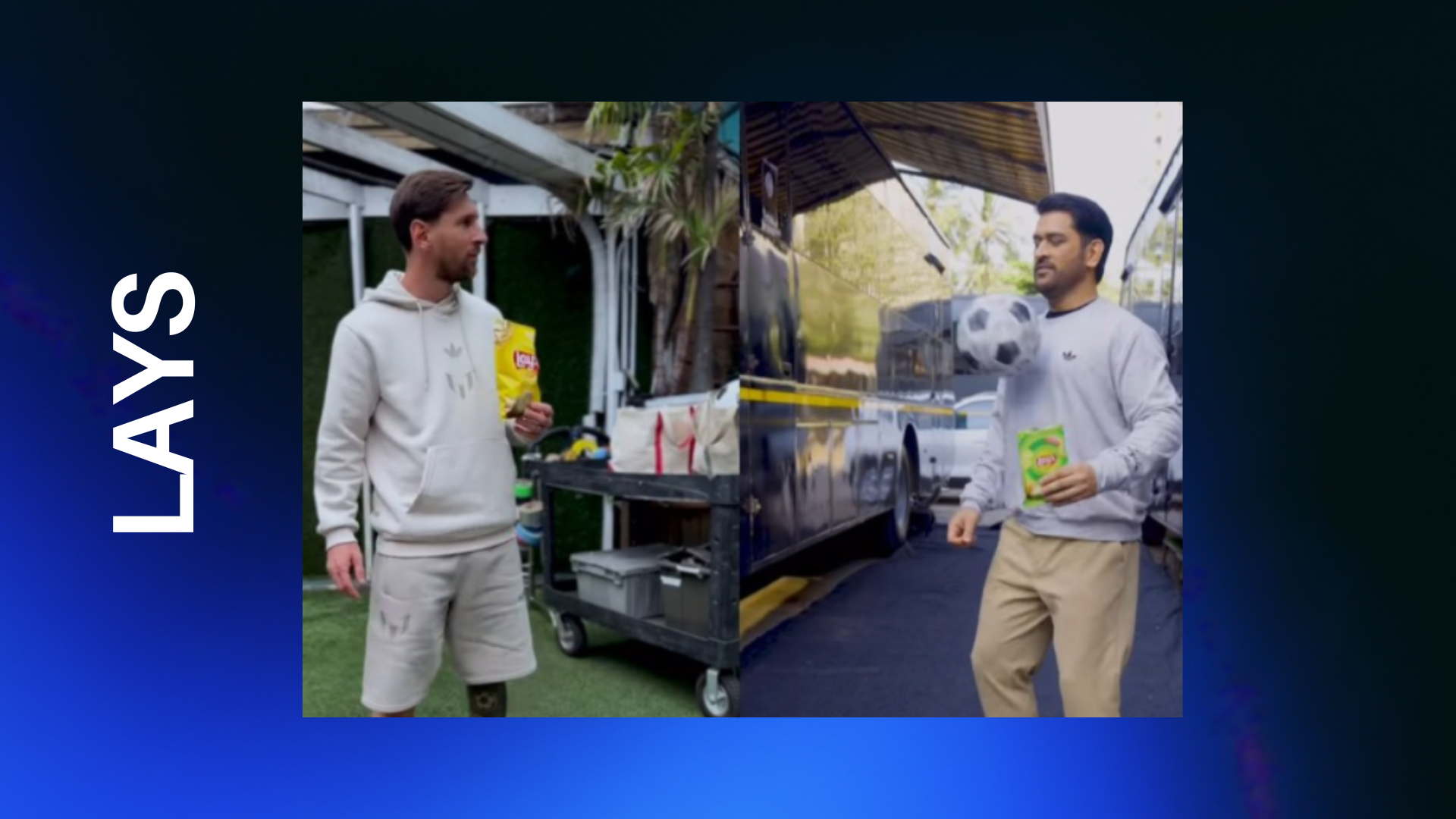
Two of the world’s most beloved sporting icons. One bag of chips. Zero overexplaining.
Lay’s simply put Lionel Messi and MS Dhoni in the same frame, football meets cricket, and let the moment do the talking. No dramatic script, no forced emotion. Just a natural, fun interaction between two legends the world rarely sees together.
The internet loved it precisely because it didn’t try too hard. Sometimes understatement is the loudest move you can make.
Key takeaway: Star power works best when it feels effortless. Curiosity and relatability can outperform spectacle.
2. Amul – #ColdplayGate Topical
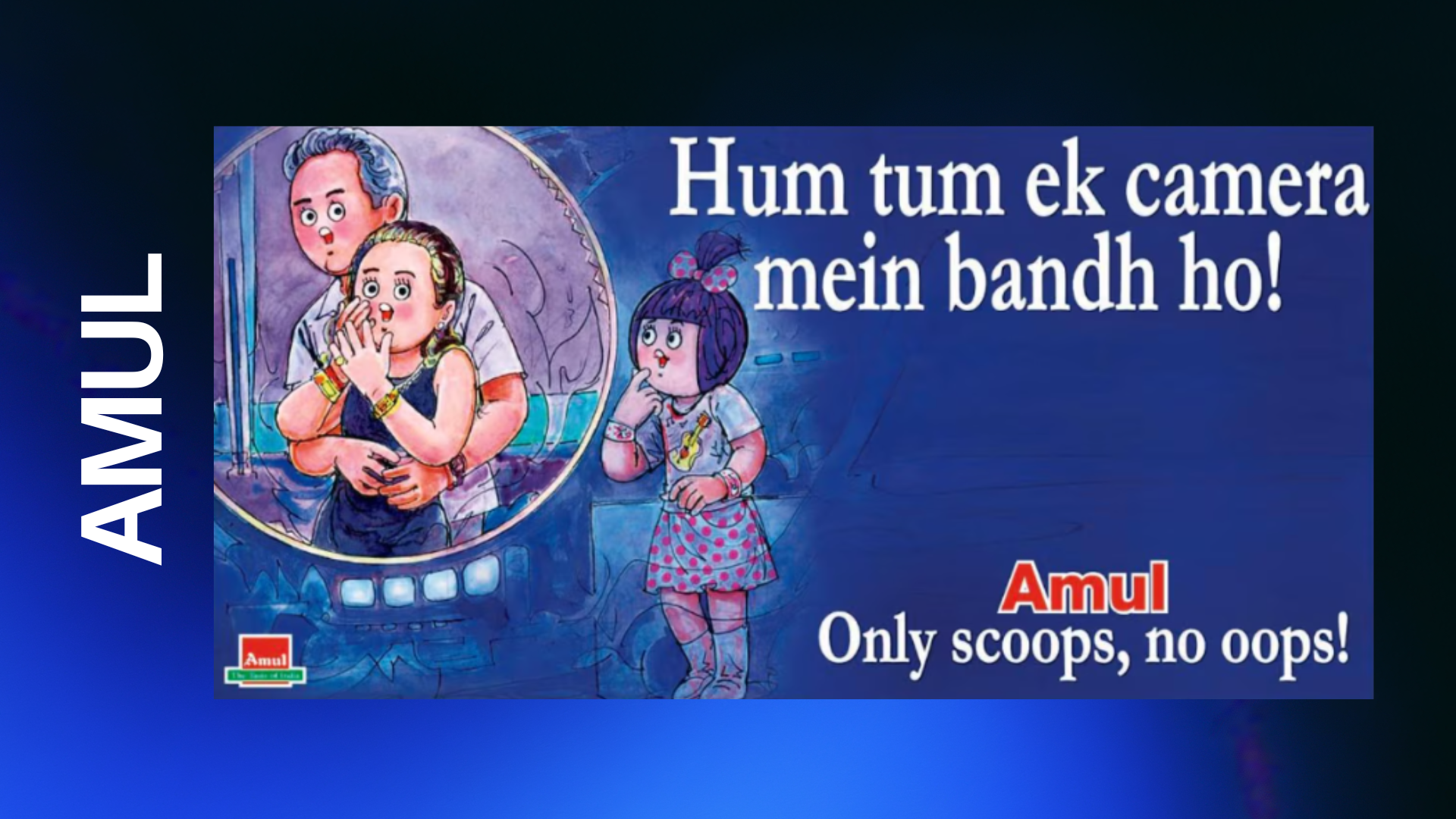
Amul has been doing topical marketing since before it was cool, and in 2025 they did it again, reacting to a viral Coldplay pop-culture moment with their iconic doodle style and a perfectly timed witty line.
Did everyone agree with the humour? No. Was there debate? Absolutely. But did everyone notice? Without doubt! Amul didn’t create a new conversation, it jumped into one that already had the country’s attention. That’s the art of topical marketing done right.
Key takeaway: Timing and cultural sensitivity matter more than speed. Join conversations with purpose, not just urgency.
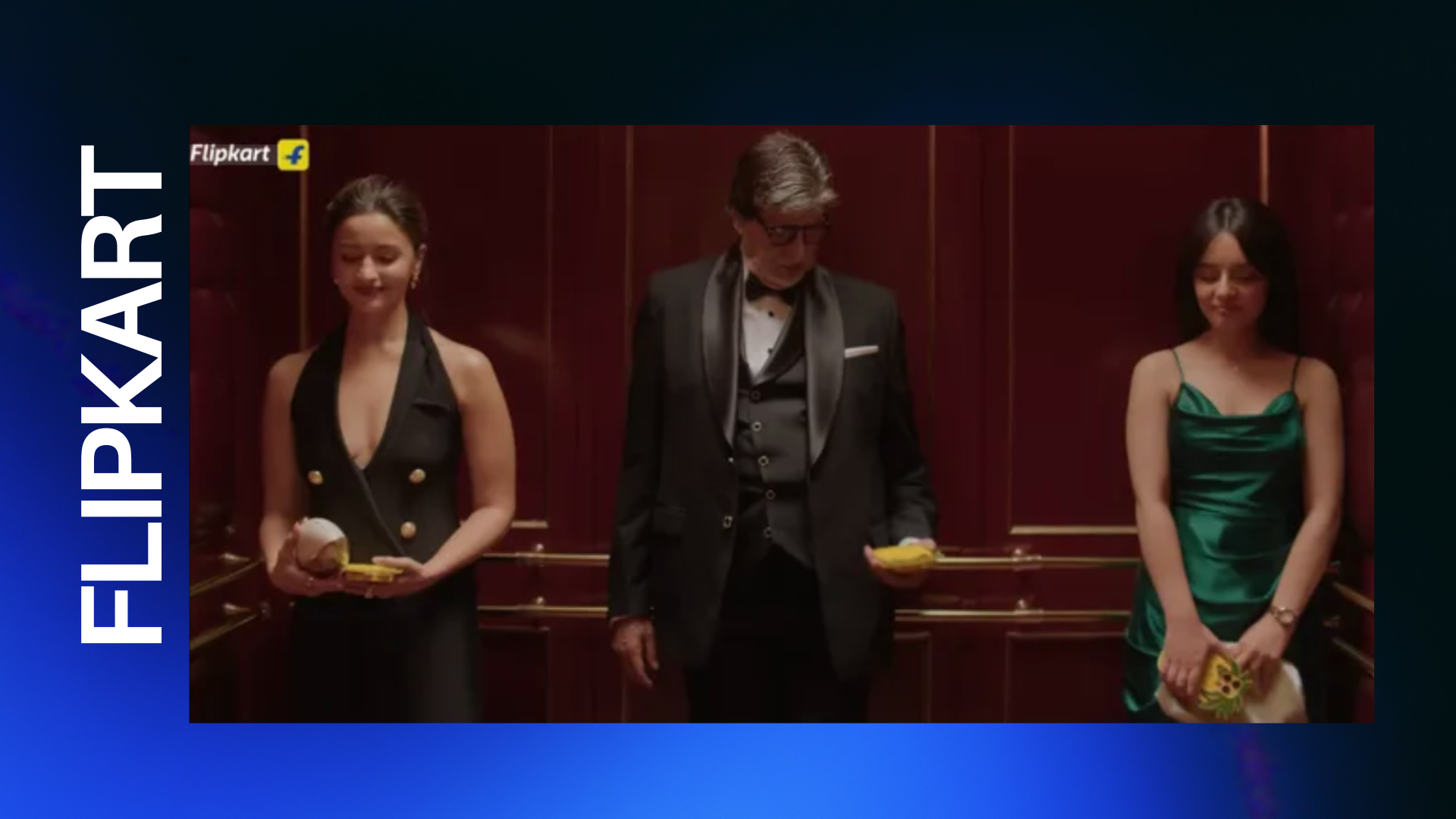
3. Flipkart – Celebrity Overload for Big Billion Days
Amitabh Bachchan. Alia Bhatt. Sreeleela. Aman Gupta. Jannat Zubair. Yashraj Mukhate. The list kept going, and so did the chaos.
Flipkart’s Big Billion Days campaign was deliberately overwhelming. Celebrities kept entering the frame non-stop, creating visual overload by design. In a world of scroll fatigue, the ad forced attention through sheer surprise and energy. It shouldn’t have worked. And yet it was completely unforgettable.
Key takeaway: In a crowded feed, sometimes noise is the strategy. Memorability beats minimalism.
4. Myntra – Gukesh vs. Anand
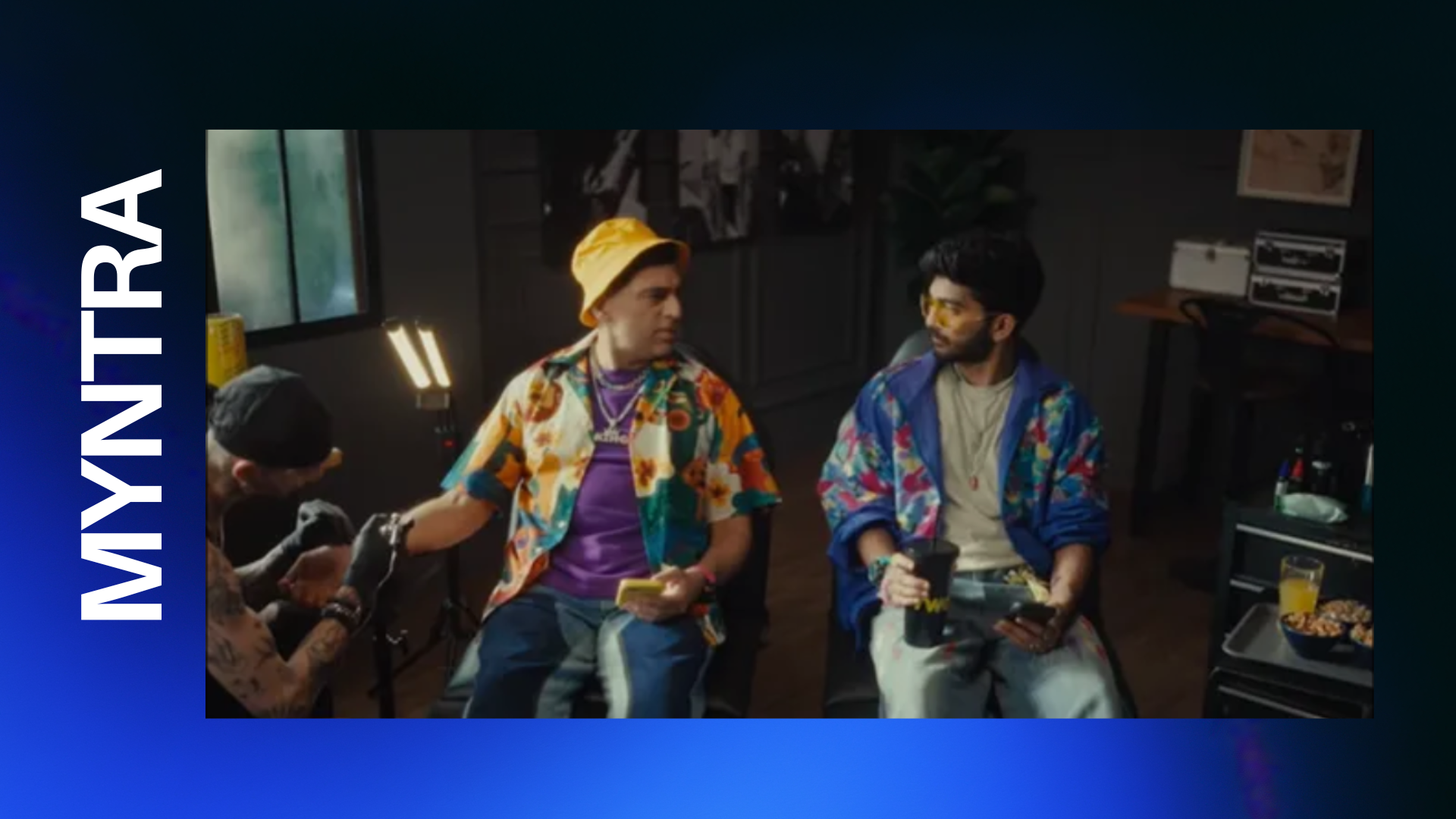
Chess prodigy D. Gukesh. Legend Viswanathan Anand. A fashion brand in the middle.
This one worked because of contrast. Fashion and chess occupy completely different worlds, and that unexpected pairing created genuine curiosity. Viewers stayed longer, not just because of the celebrities, but because the concept felt fresh and bold. Myntra proved that you don’t always need a predictable combination to sell a product.
Key takeaway: Unexpected collaborations grab attention. The more surprising the pairing, the longer people stay.
5. Dream11 – #AapkiTeamMeinKaun
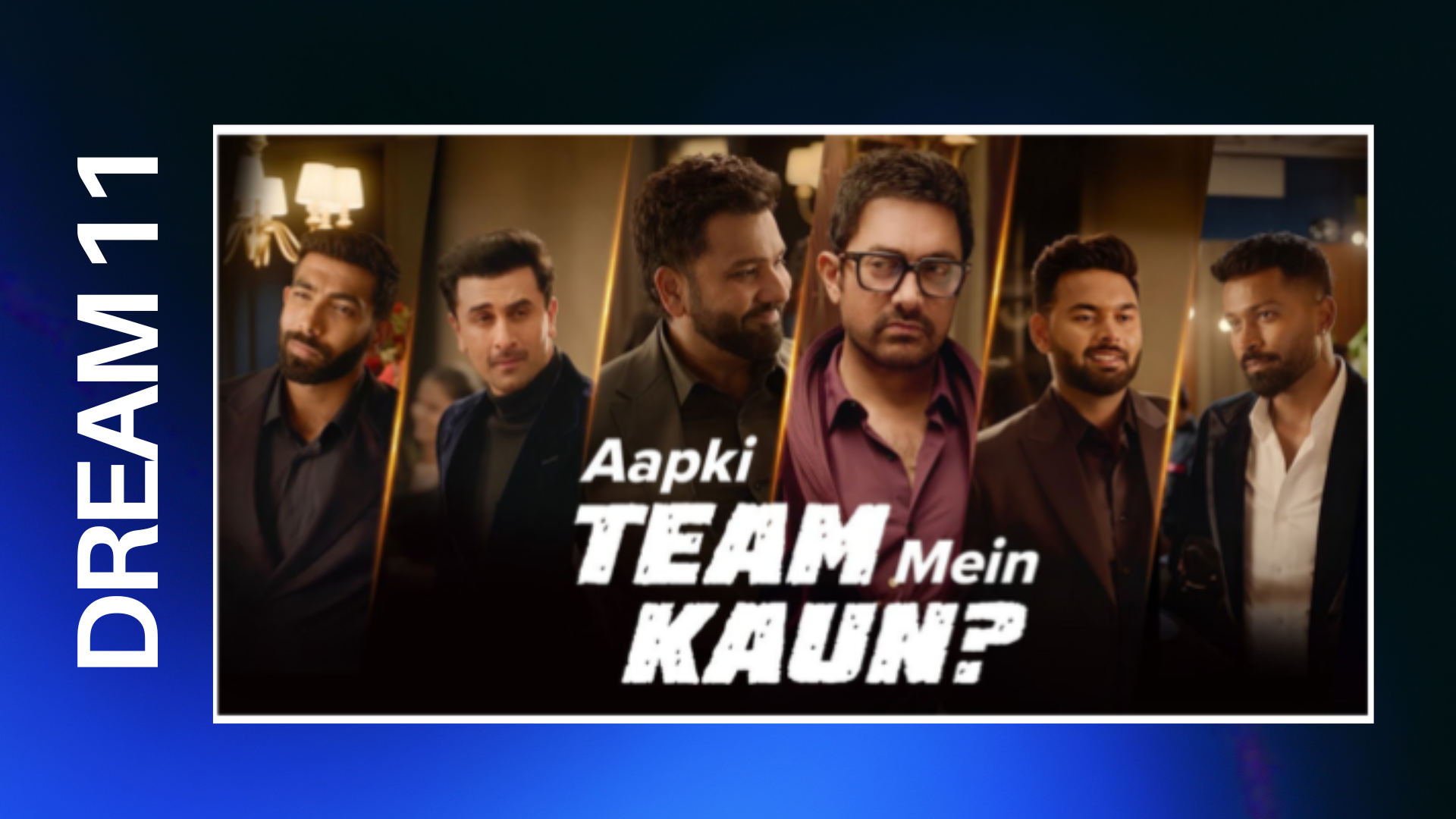
Dream11 turned fantasy cricket into a full-blown Bollywood production. Aamir Khan vs. Ranbir Kapoor. Aamir11 vs. Ranbir11. And supporting the madness? A stellar cricket lineup – Rohit Sharma, Hardik Pandya, KL Rahul, Jasprit Bumrah, Suryakumar Yadav, and Rishabh Pant. Dramatic showdowns, peak entertainment energy, and India’s biggest names all in one place.
But the campaign’s real magic came from one unscripted-feeling moment, Ranbir accidentally calling himself “Ranbir Singh” during Aamir’s rapid-fire game. The internet lost it. That single slip made the entire campaign explode.
No brand can plan a moment like that. But Dream11 created the right conditions, humour, celebrity chemistry, and a relatable setting, for something truly viral to emerge.
Key takeaway: Humour + relatability = shareability. Sometimes one small, authentic moment makes an entire campaign unforgettable.
The Bigger Lesson
Look at all five campaigns and you’ll notice the same thread running through each of them: emotion first, promotion later.
They didn’t push products. They told stories, created moments, sparked conversations, and made people feel something. Whether it was joy, surprise, nostalgia, or laughter, the feeling came before the brand message. And that’s exactly why people shared them.
In a crowded digital world, the brands that win aren’t the loudest. They are the ones that feel the most human.
Tell stories. Use humour. Make people feel seen, not sold to.